Innovative Uses of Laser Thermometers You Must Try in 2026
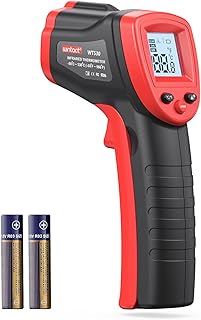
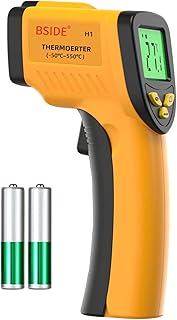
As we advance into 2026, laser thermometers are becoming indispensable tools across various sectors. While traditionally used for measuring surface temperatures in industrial settings, their applications have expanded dramatically. This article explores innovative uses of laser thermometers that you might not have considered, showcasing their versatility and practicality in everyday scenarios.
Smart Home Temperature Management
In 2026, smart homes are more prevalent than ever, and laser thermometers can play a vital role in optimizing energy consumption. By employing a laser thermometer, homeowners can quickly assess temperature differences across their living spaces. This capability allows individuals to identify areas that may require additional insulation or highlight appliances that are operating inefficiently. By addressing these temperature discrepancies, households can enhance comfort while significantly reducing energy bills.
Food Safety and Cooking Precision
The culinary world is embracing technology, and laser thermometers are no exception. In 2026, chefs and home cooks alike can utilise these devices to ensure food safety and cooking precision. For example, when grilling or roasting, a quick temperature check can ascertain whether meats have reached the recommended safe internal temperatures. Furthermore, laser thermometers can be used to monitor the temperature of oil during frying, ensuring that dishes are cooked to perfection without the risk of burning or undercooking.
People Also Look For:
- CHEF iQ Sense Smart Wireless Meat Thermometer with 2 Ultra-Thin Probes, Unlimited Range Bluetooth Meat Thermometer, Digital Food T...
- Aouplry Meat Thermometer Digital,Instant Read Food Thermometer with Backlight LCD Screen, IP67 Waterproof Foldable Long Probe & Au...
- ThermoPro TP30 Infrared Thermometer Gun, Laser Thermometer for Cooking, Pizza Oven, Griddle, Engine, HVAC, Laser Temperature Gun w...
- DOQAUS Meat Thermometers, 3S Instant Read Food Thermometer, Accurate Meat Thermometer Probe With Backlight, Foldable Long Probe, A...
- Digital Meat Thermometers for Air Fryers Cooking, Food Thermometer Instant Read BBQ Cooking Thermometer with Foldable Long Probe a...
Health and Wellness Monitoring
As the focus on personal health continues to rise, laser thermometers offer a non-contact solution for monitoring body temperature. In 2026, these devices are not only used in medical settings but also at home for personal use. Families can keep a laser thermometer handy to quickly check for fevers, making it easier to monitor health during flu season. The non-contact nature of laser thermometers ensures that there is no risk of cross-contamination, which is particularly important in maintaining hygiene.
Automotive Diagnostics
The automotive industry is constantly evolving, and laser thermometers are becoming essential diagnostic tools. In 2026, mechanics and car enthusiasts can use these devices to measure the temperature of various engine components. By identifying hotspots, technicians can troubleshoot potential issues before they become serious problems. This preventative approach not only saves time but also reduces repair costs and enhances vehicle longevity.
Art and Restoration Applications
In the realm of art and restoration, precision is key. Laser thermometers are becoming a go-to tool for conservators in 2026, allowing them to monitor the temperature of artworks and historical artefacts during restoration processes. Maintaining a stable temperature is crucial in preventing damage, and these thermometers provide accurate readings without the risk of physical contact. This application is particularly beneficial for delicate materials that can be adversely affected by fluctuating temperatures.
Environmental Monitoring
As environmental concerns take centre stage, laser thermometers are being employed in monitoring climate changes and assessing local ecosystems. In 2026, scientists and environmentalists can leverage these tools to measure surface temperatures in various habitats, providing critical data for research on climate change and its impacts. This data can help in understanding the health of ecosystems and in making informed decisions regarding conservation efforts.
Construction and Building Inspections
The construction industry is also reaping the benefits of laser thermometers in 2026. Builders and inspectors can use these devices to quickly assess the temperature of materials, ensuring that they are within the appropriate ranges for safe installation. For instance, checking the temperature of concrete during curing can help prevent future structural issues. This innovative application ensures quality control throughout the building process, leading to safer and more durable constructions.