Uncovering Innovative Laser Thermometers for 2026 Success
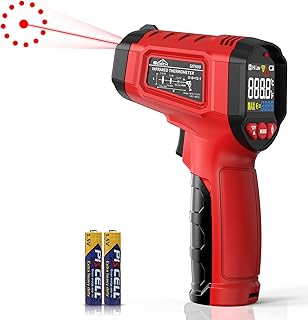
As we approach the year 2026, the landscape of temperature measurement technology is witnessing remarkable transformations. Laser thermometers, also known as non-contact infrared thermometers, are at the forefront of this evolution. These devices, which allow users to gauge temperatures from a distance, are becoming increasingly sophisticated, offering enhanced accuracy, speed, and versatility.
The Rise of Laser Thermometers
The origins of laser thermometry can be traced back to the need for safe and efficient temperature measurement in various industries. From healthcare to manufacturing, the ability to accurately measure temperature without physical contact has proven invaluable. In 2026, we expect these devices to become more prevalent, particularly as industries seek to improve safety and efficiency.
One of the key innovations driving the success of laser thermometers in 2026 is the integration of advanced sensor technology. Modern laser thermometers are now equipped with high-resolution sensors that provide precise readings within milliseconds. This rapid response time is critical in environments where temperature fluctuations can impact product quality or safety.
Applications Across Industries
Laser thermometers are being adopted across a variety of sectors, each benefiting from the technology's unique advantages. In the food industry, for instance, these devices are essential for ensuring food safety by monitoring surface temperatures during cooking and storage. As regulations become stricter in 2026, the demand for reliable temperature measurement solutions will only increase.
People Also Look For:
- Cello 4 Litre 1400W Digital Air Fryer in Black with In-Built CleverCook Food Thermometer 8 Presets, Grill, Roast, Bake, Recipes in...
- Digital Meat Thermometers for Air Fryers Cooking, Food Thermometer Instant Read BBQ Cooking Thermometer with Foldable Long Probe a...
- Brannan Digital Food Probe Thermometer and 2 Point Traceable Calibration Certificate Digital - Max Min Food Thermometer for Fast T...
- Infrared Thermometer -50°C ~ 550°C (-58°F ~ 1022°F), Non-Contact Laser Thermometer Gun LCD Backlit Digital Display Adjustable ...
- DOQAUS Digital Meat Thermometer, Instant Read Food Thermometer with Backlight LCD Screen, Foldable Long Probe & Auto On/Off, Perfe...
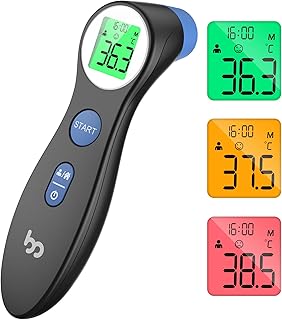
In the realm of healthcare, laser thermometers have proven to be indispensable tools for non-invasive temperature assessments. With the rise of telehealth and remote patient monitoring, the ability to take accurate temperature readings without direct contact will continue to be a key focus for medical professionals. The innovative designs of upcoming models are expected to feature more user-friendly interfaces and improved connectivity options.
Technological Innovations
In 2026, we anticipate several technological advancements that will redefine the capabilities of laser thermometers. For instance, the incorporation of artificial intelligence and machine learning algorithms will enable these devices to learn from usage patterns and improve their accuracy over time. This predictive functionality could significantly enhance their reliability in critical situations.
Moreover, the integration of smart connectivity features, such as Bluetooth and Wi-Fi, will allow users to sync their laser thermometers with smartphones and other devices. This connectivity will facilitate data logging and analysis, making it easier for professionals to track temperature trends and make informed decisions.
Environmental Considerations
Another important aspect to consider in the development of laser thermometers for 2026 is their environmental impact. Manufacturers are increasingly focusing on sustainability, opting for eco-friendly materials and energy-efficient designs. As consumers become more environmentally conscious, the demand for products that align with these values will grow.
In addition to the materials used, the longevity and durability of laser thermometers will also be a focal point. Innovations in design will aim to produce devices that can withstand harsh conditions, reducing the need for frequent replacements and contributing to a more sustainable approach to technology.
The Future of Measurement
The future of temperature measurement is undoubtedly bright, with laser thermometers leading the charge. As industries continue to innovate and adapt, the role of these devices will expand, providing critical support in various applications. The advancements expected by 2026 are set to redefine how we think about temperature measurement.
With ongoing research and development, the potential for laser thermometers to evolve into multifunctional tools is immense. Features such as humidity measurement and thermal imaging could become standard, providing users with comprehensive data at their fingertips. This transformation will not only enhance operational efficiency but also drive greater accuracy in temperature assessments.