The Ultimate Guide to Choosing the Right Laser Thermometer for Your Needs
Introduction
When it comes to measuring temperature quickly and accurately, a laser thermometer is a handy tool to have. Whether you're a professional in the HVAC industry, a chef in the kitchen, or a DIY enthusiast working on home projects, having the right laser thermometer can make all the difference. With so many options available on the market, it can be overwhelming to choose the best one for your specific needs. In this guide, we'll walk you through the key factors to consider when selecting a laser thermometer that suits your requirements.
1. Temperature Range
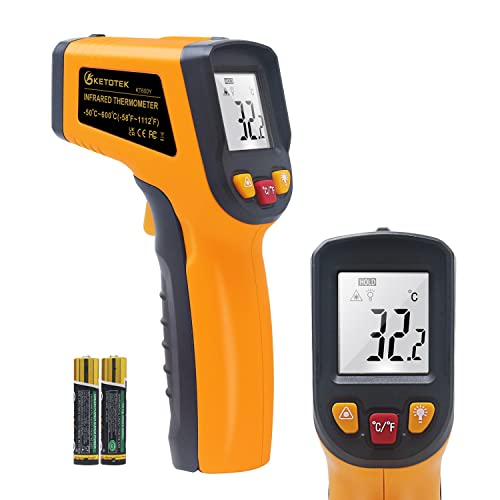
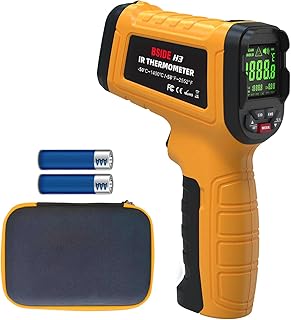
One of the most important factors to consider when choosing a laser thermometer is the temperature range it can measure. Different applications require different temperature ranges, so it's essential to know the minimum and maximum temperatures you'll be measuring. Some laser thermometers are designed for high-temperature applications, such as industrial processes or automotive work, while others are more suitable for lower temperature ranges, like cooking or HVAC maintenance. Make sure to choose a thermometer that can accurately measure the temperatures you need for your specific tasks.
People Also Look For:
- Digital Infrared Thermometer Non Contact AP-2732 Industrial Thermometer -58~2732°F (-50~1500°C) High Temperature Pyrometer D:S=3...
- Infrared Thermometer IR Non Contact, Digital Laser Temperature Gun -50℃~600℃ (-58℉~1112℉) Adjustable Emi...
- Etekcity Infrared Thermometer, -50°C~610°C(-58°F~1130°F), Non-Contact Digital Laser Temperature Gun with LCD Display,for Cooki...
- DOQAUS Digital Meat Thermometer, Instant Read Food Thermometer with Backlight LCD Screen, Foldable Long Probe & Auto On/Off, Perfe...
- Non-contact Infrared Thermometer IR Pyrometer Digital Temperature Gun -50 to + 380°C Red and Black
2. Accuracy
Accuracy is another crucial feature to consider when selecting a laser thermometer. The accuracy of a thermometer is typically given as a percentage of the measured value, with most thermometers having an accuracy of around +/- 2%. However, some high-end models offer even greater accuracy, which is essential for applications where precise temperature measurements are required. Consider the level of accuracy you need for your tasks and choose a thermometer that meets those requirements.
3. Distance-to-Spot Ratio
The distance-to-spot ratio of a laser thermometer indicates the size of the area being measured at a particular distance. A higher ratio means that the thermometer can measure a smaller area accurately from a greater distance, making it ideal for hard-to-reach or high-temperature applications. For general use, a distance-to-spot ratio of 12:1 is suitable, but for more specialized tasks, such as electrical work or automotive diagnostics, you might need a higher ratio. Consider the distance from which you'll be measuring temperatures and choose a thermometer with an appropriate distance-to-spot ratio.
4. Emissivity
Emissivity refers to the ability of a material to emit infrared energy, which is essential for accurate temperature measurements with a laser thermometer. Different materials have different emissivity values, so it's crucial to choose a thermometer with adjustable emissivity settings. This feature allows you to compensate for the emissivity of the surface you're measuring, ensuring accurate temperature readings. For general use, a thermometer with a fixed emissivity of 0.95 is sufficient, but for more specialized applications, look for a thermometer with adjustable emissivity settings.
5. Additional Features
When choosing a laser thermometer, consider any additional features that might be beneficial for your specific needs. Some thermometers come with built-in laser pointers for easy aiming, backlit LCD displays for use in low-light conditions, and adjustable alarms for temperature thresholds. Other features to look for include data logging capabilities, Bluetooth connectivity for remote monitoring, and a rugged design for durability in harsh environments. Think about the features that would make your temperature measuring tasks easier and more efficient, and choose a thermometer that offers those functionalities.